The Quiet Lifesaver: Getting Clean Water to Gaza's Children
Names in this story have been changed to protect the privacy and safety of the families involved.
Nobody photographs clean water. It has no dramatic before-and-after, no ribbon to cut. And yet doctors in Gaza will tell you the same thing again and again: after the bombs stopped, the water was the most dangerous thing left.
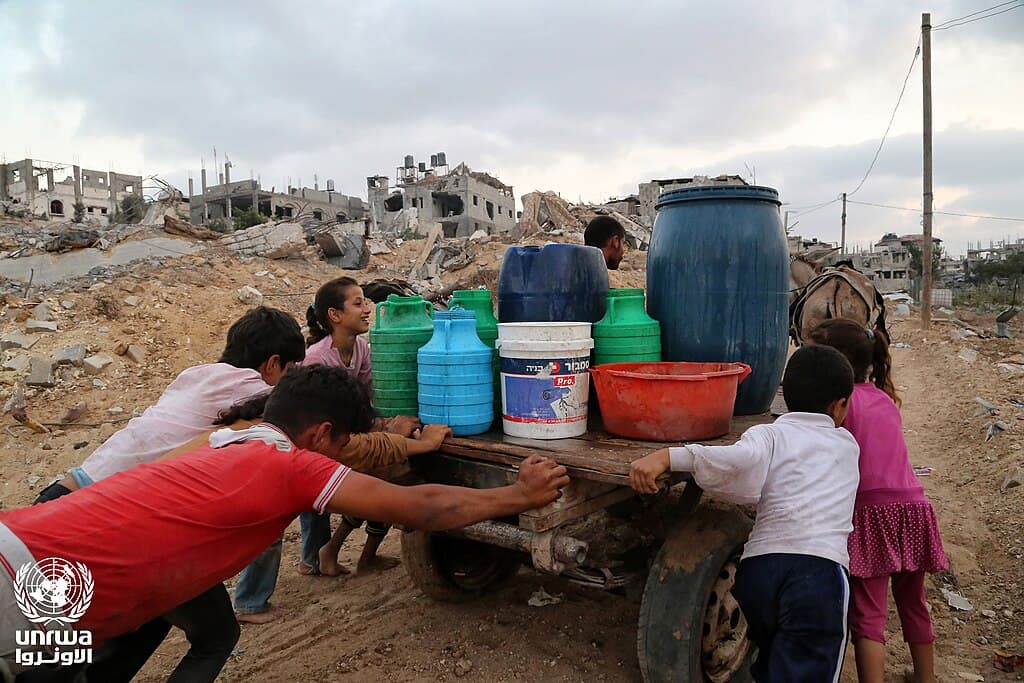
Damaged pipes mix sewage into drinking lines. Desalination plants run on scarce fuel. Families drink what they can find, and children — always children first — pay for it with cholera, dysentery, and parasites their small bodies cannot afford to fight.
Three ways in
Motaz Foundation's water program works on three fronts at once. Water trucking brings tested, safe drinking water directly to camps and shelters — hundreds of thousands of liters every month. Purification points at community kitchens and clinics let families fill containers with water they can trust. And repair teams patch broken lines and restore wells, because a fixed pipe outlasts a thousand deliveries.
My daughter used to be sick every few weeks. Since the water point opened near us, she has not missed a day of school.
— Umm Ibrahim, Khan Younis
The cheapest medicine there is
Clean water is the most cost-effective health intervention in any crisis. A single $25 donation covers safe drinking water for a family for a month — quietly preventing the illnesses that hospitals would otherwise have to treat. It will never make headlines. It just keeps children alive.
Be part of the next story
Your donation today starts another family's story — a meal, a semester, a new limb, a safe journey.